
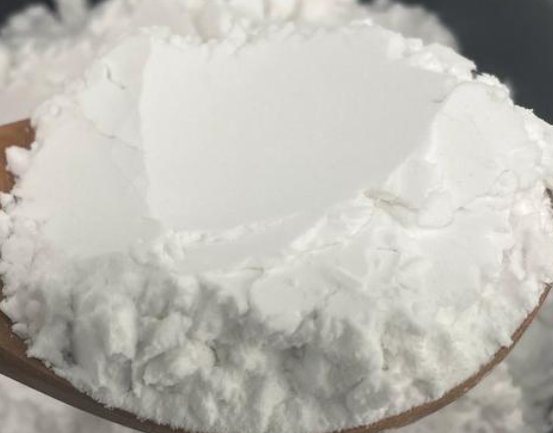
As autumn 2026 potatoes gradually enter the harvest period, the domestic potato starch industry has officially switched to the new production season cycle. Processing enterprises in core production areas such as Gansu, Inner Mongolia, and Heilongjiang have started production one after another, and the market supply and demand pattern is ushering in a new round of adjustments.
Looking back at the old production season, domestic potato starch generally showed a trend of initial decline followed by stabilization. In the first half of the year, downstream food processing enterprises purchased on demand, with limited large-volume orders overall. Coupled with the continuous circulation of some old season inventory, market prices were under pressure. Entering mid-to-late August, old season sources were gradually exhausted, inventory pressure was released, and ex-factory quotations for premium grade potato starch stopped falling and stabilized, with market trading returning to rationality.
From the supply side, the overall growth of potatoes in main production areas has been stable this year, though yields showed slight differentiation in some areas due to weather influences. The planting proportion of high-starch varieties has increased, which is beneficial for starch processing enterprises to improve starch extraction rates and control production costs. Industry differentiation has further intensified; leading enterprises rely on large-scale, intelligent production lines, with stable indicators such as product whiteness and viscosity, occupying the market. Small and medium-sized processing plants are constrained by factors like raw materials, environmental protection, and funds, but have stronger production flexibility, with quotations following market trends.
On the demand side, food processing remains the largest consumption area for potato starch. Rigid demand continues to be released in frozen foods, prepared dishes, meat products, vermicelli and noodles, and sauces and soups, with Mid-Autumn Festival and National Day food stocking driving a phased increase in procurement. At the same time, the application of modified potato starch in industrial fields such as papermaking, textiles, and degradable materials is constantly expanding, bringing new growth to the industry. However, compared to corn starch and cassava starch, potato starch prices are relatively high; some downstream enterprises will substitute formulas based on cost, limiting the upward space for prices to a certain extent.
Industry insiders analyze that the raw material purchase price in the early stage of new potato listing will directly determine the cost baseline for starch. The short-term market is highly likely to maintain a fluctuating trend; if raw material purchase costs are high, they will provide support for starch prices; if potatoes see a bumper harvest and raw material supply is sufficient, the upward space for starch prices will be limited. It is recommended that downstream enterprises stock according to demand and pay close attention to raw material purchases in production areas, enterprise start-ups, and inventory changes.