
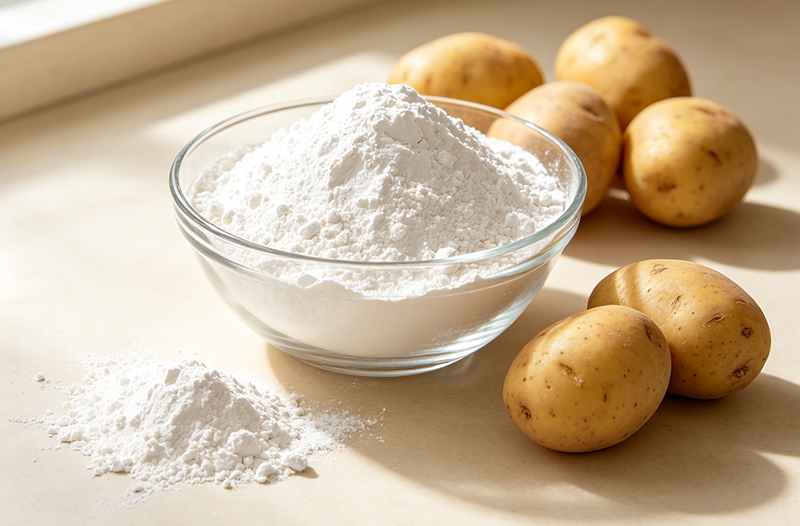
The domestic potato starch industry is continuously upgrading, and the quality of domestic products is steadily catching up with international standards. The export market is growing steadily, with strong demand in Southeast Asia, the Middle East, Central Asia, and other regions, becoming a new growth highlight for the industry. China Financial News...
Globally, Europe is a traditional main production area for potato starch, with leading enterprises long dominating the market. In recent years, domestic processing enterprises have updated equipment and optimized processes. Key indicators of domestic potato starch, such as whiteness, viscosity, and purity, have been continuously improving. With stable supply capabilities, cost-performance advantages are gradually emerging, gaining recognition from overseas buyers.
In terms of export destinations, Southeast Asia is the primary export destination. The local food processing industry is booming, with strong demand for potato starch from frozen food, meat product, and condiment enterprises. Meanwhile, orders from the Middle East, Central Asia, and African markets are increasing year by year. Some high-quality products are also gradually entering niche markets in Europe, and the export structure is shifting from low-end raw materials to products.
The factors driving export growth come from multiple aspects. Global concepts of clean labels and gluten-free diets are becoming popular, and demand for natural potato starch continues to rise. The domestic industrial chain is becoming increasingly mature, from potato planting and modern processing to logistics support. Enterprises are constantly optimizing export packaging and logistics solutions, with various supply methods such as bulk and ton bags adapting to the needs of different overseas customers.
The industry also faces challenges: the international market is subject to significant fluctuations due to production in overseas regions, exchange rates, and shipping costs; competition from overseas local starch enterprises is fierce; and trade barriers in some countries also bring uncertainty to exports.
Industry practitioners state that to further expand overseas share, one cannot rely solely on price advantages. On one hand, product quality must be consistently stabilized, ensuring batch consistency; on the other hand, exports of high value-added products like modified starch should be increased to escape the quagmire of low-price competition for bulk raw materials. In the long run, with global demand for plant-based ingredients on the rise, domestic potato starch exports still possess significant growth potential.